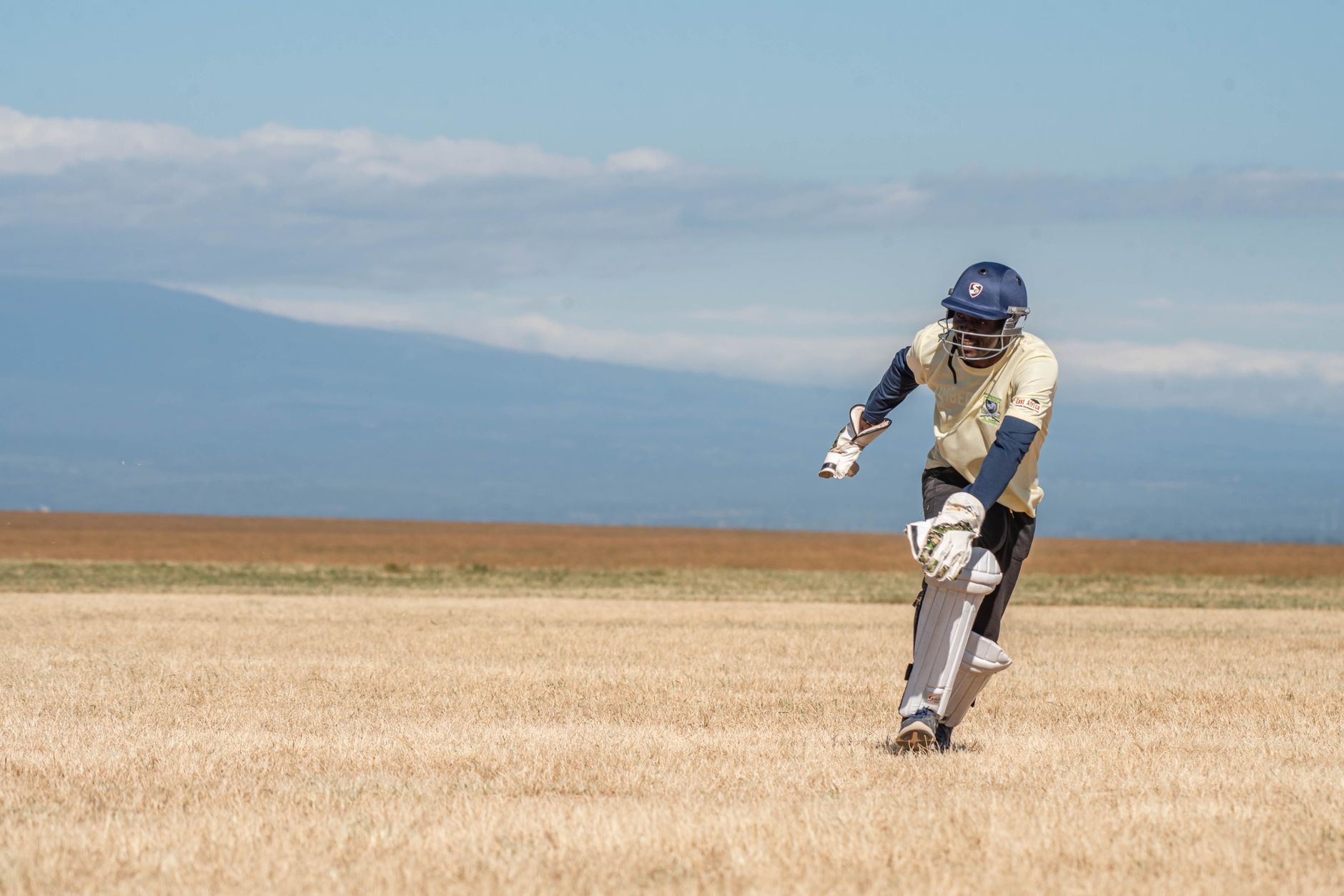
Scotland cricket ties have been suspended with Afghanistan outside ICC events, raising questions about the future of international cricket relations. This decision highlights the complexities surrounding sports diplomacy and governance.
Understanding Scotland Cricket Ties
In recent developments, Scotland cricket ties with Afghanistan have come under scrutiny following the suspension of all cricket-related activities between the two nations outside of ICC events. This decision has raised eyebrows and sparked debates among cricket enthusiasts and analysts alike.
The primary reasons behind this suspension are deeply rooted in the evolving political and social landscape in Afghanistan. As the Taliban regime continues to impose stringent restrictions, particularly on women’s rights and sports participation, the international cricket community is increasingly wary of engaging with the Afghan cricketing authorities.
Moreover, Scotland’s cricketing leadership has expressed concerns about the ethical implications of supporting a regime that undermines fundamental human rights. The Scotland cricket ties with Afghanistan were once seen as a means of fostering goodwill and promoting the sport, but the current situation has necessitated a reevaluation of these relationships.
As the cricket world watches closely, the implications for future matches and collaborations remain uncertain, prompting discussions on the role of sports in advocating for social change.
Reasons for Suspension of Ties
The recent suspension of Scotland cricket ties with Afghanistan has raised significant discussions within the cricketing community. Several factors contributed to this decision, emphasizing the complexities of international sports relations.
- Political Climate: The deteriorating political situation in Afghanistan has influenced many nations to reconsider their sporting partnerships. The uncertainty surrounding governance and human rights issues has made collaboration challenging.
- Security Concerns: The safety of players and staff is paramount. With ongoing conflicts in the region, ensuring secure conditions for matches has become increasingly difficult.
- International Relations: Scotland’s cricket board is conscious of its international standing and the implications of associating with certain nations. The decision reflects a commitment to uphold ethical standards in sports.
- Public Sentiment: Fan and stakeholder opinions play a crucial role in such decisions. The cricket community’s response to the situation in Afghanistan has influenced the board’s stance on these cricket ties.
Ultimately, the suspension of Scotland cricket ties with Afghanistan underscores the intersection of sports, politics, and public perception in today’s global landscape.
Implications for Afghanistan Cricket
The suspension of cricket ties between Scotland and Afghanistan carries significant implications for both teams, fundamentally altering their competitive landscape and international relations.
For Afghanistan, the cessation of these ties means missing out on valuable match practice and opportunities to showcase their talent against a rising cricketing nation. The lack of regular fixtures could stifle the development of Afghan players, who rely on exposure to diverse playing styles to improve their skills.
Moreover, the absence of Scotland cricket ties may impact Afghanistan’s standing in the cricket world. Matches with Scotland have historically provided a platform for building confidence and gaining crucial experience in ODI formats.
On the other hand, Scotland benefits from the suspension by reallocating resources and focusing on strengthening its own squad without the distractions of external controversies. This shift could lead to a more cohesive team dynamic and improved performances in international competitions.
In conclusion, the implications of this suspension extend beyond immediate gameplay, affecting player development and the broader relationships within the cricketing community.
Future of International Cricket Relations
The future of international cricket relations, especially concerning Scotland cricket ties, remains uncertain following the suspension of ties with Afghanistan. This decision has raised significant questions about how nations will navigate their cricketing partnerships in the wake of geopolitical tensions.
Scotland’s choice to halt engagements with Afghanistan outside of ICC events reflects broader concerns regarding player safety, governance, and the evolving nature of international relations in sports. Many cricket boards are now reassessing their ties with countries facing similar challenges, leading to a potential shift in how cricket is administered globally.
In light of these developments, there is a growing need for cricketing nations to establish clear guidelines on international relations and cricketing ties. This situation could foster a more structured approach to managing relationships between countries, particularly those with complex political climates.
Furthermore, there is an opportunity for dialogue among cricket boards to address these challenges collaboratively. Ultimately, the future of Scotland cricket ties, and its impact on international cricket relations, will greatly depend on the collective efforts of cricketing nations to prioritize safety and integrity within the sport.
Photo by Engineer John on Pexels