Category: sports news

  • Scotland Cricket Ties: The Real Reasons Behind Suspension

    Scotland Cricket Ties: The Real Reasons Behind Suspension

    Scotland cricket ties have been suspended with Afghanistan outside ICC events, raising questions about the future of international cricket relations. This decision highlights the complexities surrounding sports diplomacy and governance.

    Understanding Scotland Cricket Ties

    In recent developments, Scotland cricket ties with Afghanistan have come under scrutiny following the suspension of all cricket-related activities between the two nations outside of ICC events. This decision has raised eyebrows and sparked debates among cricket enthusiasts and analysts alike.

    The primary reasons behind this suspension are deeply rooted in the evolving political and social landscape in Afghanistan. As the Taliban regime continues to impose stringent restrictions, particularly on women’s rights and sports participation, the international cricket community is increasingly wary of engaging with the Afghan cricketing authorities.

    Moreover, Scotland’s cricketing leadership has expressed concerns about the ethical implications of supporting a regime that undermines fundamental human rights. The Scotland cricket ties with Afghanistan were once seen as a means of fostering goodwill and promoting the sport, but the current situation has necessitated a reevaluation of these relationships.

    As the cricket world watches closely, the implications for future matches and collaborations remain uncertain, prompting discussions on the role of sports in advocating for social change.

    Reasons for Suspension of Ties

    The recent suspension of Scotland cricket ties with Afghanistan has raised significant discussions within the cricketing community. Several factors contributed to this decision, emphasizing the complexities of international sports relations.

    • Political Climate: The deteriorating political situation in Afghanistan has influenced many nations to reconsider their sporting partnerships. The uncertainty surrounding governance and human rights issues has made collaboration challenging.
    • Security Concerns: The safety of players and staff is paramount. With ongoing conflicts in the region, ensuring secure conditions for matches has become increasingly difficult.
    • International Relations: Scotland’s cricket board is conscious of its international standing and the implications of associating with certain nations. The decision reflects a commitment to uphold ethical standards in sports.
    • Public Sentiment: Fan and stakeholder opinions play a crucial role in such decisions. The cricket community’s response to the situation in Afghanistan has influenced the board’s stance on these cricket ties.

    Ultimately, the suspension of Scotland cricket ties with Afghanistan underscores the intersection of sports, politics, and public perception in today’s global landscape.

    Implications for Afghanistan Cricket

    The suspension of cricket ties between Scotland and Afghanistan carries significant implications for both teams, fundamentally altering their competitive landscape and international relations.

    For Afghanistan, the cessation of these ties means missing out on valuable match practice and opportunities to showcase their talent against a rising cricketing nation. The lack of regular fixtures could stifle the development of Afghan players, who rely on exposure to diverse playing styles to improve their skills.

    Moreover, the absence of Scotland cricket ties may impact Afghanistan’s standing in the cricket world. Matches with Scotland have historically provided a platform for building confidence and gaining crucial experience in ODI formats.

    On the other hand, Scotland benefits from the suspension by reallocating resources and focusing on strengthening its own squad without the distractions of external controversies. This shift could lead to a more cohesive team dynamic and improved performances in international competitions.

    In conclusion, the implications of this suspension extend beyond immediate gameplay, affecting player development and the broader relationships within the cricketing community.

    Future of International Cricket Relations

    The future of international cricket relations, especially concerning Scotland cricket ties, remains uncertain following the suspension of ties with Afghanistan. This decision has raised significant questions about how nations will navigate their cricketing partnerships in the wake of geopolitical tensions.

    Scotland’s choice to halt engagements with Afghanistan outside of ICC events reflects broader concerns regarding player safety, governance, and the evolving nature of international relations in sports. Many cricket boards are now reassessing their ties with countries facing similar challenges, leading to a potential shift in how cricket is administered globally.

    In light of these developments, there is a growing need for cricketing nations to establish clear guidelines on international relations and cricketing ties. This situation could foster a more structured approach to managing relationships between countries, particularly those with complex political climates.

    Furthermore, there is an opportunity for dialogue among cricket boards to address these challenges collaboratively. Ultimately, the future of Scotland cricket ties, and its impact on international cricket relations, will greatly depend on the collective efforts of cricketing nations to prioritize safety and integrity within the sport.

    Photo by Engineer John on Pexels

    Read the original

    Related stories

  • Ball-tampering revelations: What’s the real story behind it?

    Ball-tampering revelations: What’s the real story behind it?

    ball-tampering revelations have become a hot topic in cricket discussions. Usman Khawaja recently defended his timing for bringing these issues to light, emphasizing transparency and honesty.

    Understanding the Ball-Tampering Controversy

    The recent ball-tampering revelations have ignited a fierce debate within the cricketing community. These allegations, which surfaced during an ongoing series, have prompted players and fans alike to reconsider the integrity of the game.

    Usman Khawaja, a prominent figure in the Australian cricket team, has come forward to address the controversy. He emphasized that his comments were not aimed at implicating anyone else, stating, “I haven’t thrown anyone under the bus.” This statement reflects the complexity of the situation, as players navigate the fine line between honesty and loyalty.

    Critics argue that the timing of these revelations raises questions about their authenticity and intentions. Some believe it is essential to bring such issues to light for the betterment of the sport, while others worry it could harm team dynamics.

    As this debate unfolds, cricket enthusiasts are left pondering the impact of ball-tampering revelations on the future of the game and the principles it stands for.

    Usman Khawaja’s Perspective on Timing

    In the midst of ongoing discussions surrounding the ball-tampering revelations, Usman Khawaja has stepped forward to offer his perspective on the timing of these disclosures. During a recent interview, he emphasized that his intention was never to implicate his teammates or create further division within the cricketing community.

    Khawaja stated, “I haven’t thrown anyone under the bus,” highlighting his commitment to integrity while navigating a contentious issue. He believes that the revelations are crucial for the sport, asserting that transparency is necessary for the evolution of cricket. The Australian batsman expressed concern that delaying these discussions could undermine the credibility of the game and its players.

    Furthermore, Khawaja pointed out that the timing of the revelations, while controversial, was aimed at fostering a healthier dialogue around ethics in cricket. He acknowledged that while the subject is sensitive, it is vital for players to learn from past mistakes and ensure that such incidents do not occur again.

    The Impact of Ball-Tampering in Cricket

    The impact of ball-tampering revelations has been profound, shaking the very foundation of cricket and altering public perception of the sport. The integrity of players and teams has come under scrutiny, leading to a broader conversation about ethics in cricket.

    Fans and analysts alike have voiced concerns over the long-term implications of such scandals. Some key effects include:

    • Loss of Trust: The revelations have eroded trust between players and fans, making it difficult for supporters to believe in the authenticity of the game.
    • Reputational Damage: Teams involved in ball-tampering controversies often face significant reputational harm, which can affect sponsorships and fan engagement.
    • Regulatory Changes: Governing bodies may implement stricter regulations and oversight to prevent future incidents, altering the dynamic of the sport.

    As Usman Khawaja pointed out, the timing of these revelations is crucial, as they may redefine how players approach their game. Ultimately, the long-lasting effects of ball-tampering revelations will likely shape the future landscape of cricket.

    Reactions from the Cricket Community

    The recent ball-tampering revelations have sparked a wave of reactions from various quarters of the cricket community. Many players, past and present, have taken to social media to express their thoughts on the controversy that continues to haunt the sport.

    • Former players: Several retired cricketers have voiced their concerns about the implications these revelations could have on the integrity of the game. They emphasize the need for transparency and accountability among players.
    • Current players: Some active players have been more cautious, choosing to refrain from commenting directly on the issue. They are wary of the potential backlash from fans and media alike.
    • Fans: The reactions from fans have been mixed, with many expressing disappointment and others calling for stricter regulations to prevent such incidents in the future.

    As the cricket community continues to grapple with the fallout from these ball-tampering revelations, the importance of maintaining the spirit of the game remains at the forefront of discussions.

    What This Means for Future Matches

    The recent ball-tampering revelations have sparked intense discussions about the future of cricket matches. With the integrity of the game at stake, players, coaches, and governing bodies are now faced with tough decisions regarding regulations and enforcement.

    Moving forward, several key implications are likely to arise:

    • Increased Scrutiny: Umpires and match officials may implement stricter monitoring during games, ensuring that players adhere to the rules of conduct.
    • Revised Guidelines: Cricket boards might introduce clearer guidelines on equipment usage and player conduct to prevent any ambiguities related to ball-tampering.
    • Player Accountability: There will likely be an emphasis on personal responsibility, with players encouraged to report any suspicious activities to maintain transparency.
    • Fan Trust: Rebuilding trust with fans will be crucial, as the cricket community strives to ensure that such controversies do not overshadow the spirit of the game.

    Ultimately, the fallout from these ball-tampering revelations could redefine the landscape of cricket, impacting both current players and future generations.

    Photo by Brett Jordan on Pexels

    References

    The Guardian

    More on this site

    Delhi Washington calls: Proven insights from US lobbying firm · PM Modi and Suryakumar Yadav: What’s the Real Impact? · Ferrari management failure: What’s the real cause behind it?

  • PM Modi and Suryakumar Yadav: What’s the Real Impact?

    PM Modi Suryakumar Yadav meeting signifies a pivotal moment in Indian sports leadership.

    Overview of the Meeting

    Recently, Prime Minister Narendra Modi held a significant meeting with former Indian T20I captain Suryakumar Yadav, a discussion that has garnered considerable attention in the sporting and political realms alike. The meeting was not just a casual exchange but aimed at exploring ways to enhance India’s performance in international cricket.

    During their interaction, PM Modi expressed his admiration for Yadav’s contributions to Indian cricket, particularly his remarkable performances in T20 formats. The Prime Minister emphasized the importance of nurturing young talent in sports, stressing that athletes like Yadav serve as role models for aspiring cricketers across the nation.

    Yadav, on his part, shared insights about the evolving dynamics of the game and the necessity of incorporating advanced training techniques to keep pace with global standards. He highlighted the role of technology in sports and how it can be leveraged to improve performance.

    This meeting is seen as a vital step towards not only recognizing individual achievements but also fostering a culture of excellence within Indian cricket. The collaboration between government and sports personalities, as illustrated by the interaction between PM Modi and Suryakumar Yadav, could potentially lead to significant reforms in how cricket is managed and promoted in the country.

    • Strengthening ties between government and sports.
    • Promotion of younger talent in cricket.
    • Adoption of modern training methods.

    Importance of Leadership in Sports

    Leadership plays a crucial role in shaping the dynamics of sports, influencing not only the performance of athletes but also the perception of the sport at large. In the context of cricket, where teamwork and strategy are paramount, strong leadership can significantly impact the outcomes of matches and the morale of the players.

    PM Modi’s meeting with Suryakumar Yadav underscores the importance of such leadership in inspiring young athletes. It is essential for leaders to set a vision that resonates with their team, fostering a culture of excellence and resilience. The Prime Minister’s acknowledgment of Yadav’s contributions to Indian cricket reflects a broader recognition of how leaders in sports can motivate and uplift their teams.

    Several key aspects highlight the importance of leadership in sports:

    • Vision and Strategy: A leader must outline a clear vision and strategy that guides the team towards common goals.
    • Motivation: Effective leaders inspire athletes to push their limits and strive for greatness, as seen in Suryakumar Yadav’s journey.
    • Team Cohesion: Good leadership fosters trust and collaboration among team members, enhancing overall performance.
    • Role Model: Leaders serve as role models, influencing the attitudes and behaviors of upcoming athletes.

    The interaction between PM Modi and Suryakumar Yadav exemplifies how leadership in sports can create a ripple effect, encouraging the next generation of players to excel.

    Suryakumar Yadav’s Achievements

    Suryakumar Yadav has made significant strides in his cricketing career, establishing himself as a formidable player on the international stage. His achievements reflect not only his talent but also his dedication to the sport.

    Some of the key milestones in Yadav’s career include:

    • Debut in T20I Cricket: Yadav made his T20I debut in 2021, marking a turning point in his professional journey.
    • Consistent Performance: He quickly became known for his aggressive batting style, contributing crucial runs for the Indian team.
    • Record-Breaking Innings: Yadav has played several match-winning innings, including a remarkable 117 runs against England in 2022.
    • ICC Rankings: His impressive performances have led to a high ranking in the ICC T20I rankings, showcasing his status among the world’s best T20 players.
    • Leadership Qualities: His demeanor on the field and ability to inspire teammates have been recognized, especially after his meeting with PM Modi.

    As PM Modi and Suryakumar Yadav engage in discussions about the future of Indian cricket, Yadav’s achievements serve as a testament to the potential impact of strong leadership in sports. The synergy between political support and athletic excellence can foster a thriving environment for the next generation of players.

    PM Modi’s Support for Cricket

    In recent developments, PM Modi has consistently shown his support for cricket, emphasizing its significance in uniting the nation and inspiring the youth. His meeting with Suryakumar Yadav, the former Indian T20I captain, highlights this commitment to fostering a strong sporting culture in India.

    During their discussion, PM Modi praised Yadav not only for his impressive skills on the field but also for his ability to motivate young athletes across the country. The Prime Minister believes that sports play a critical role in shaping character and building resilience among the youth, and he sees cricket as a vital avenue for achieving these goals.

    Moreover, PM Modi’s engagement with cricket serves as a reminder of the sport’s power to transcend boundaries and bring people together. The Prime Minister has advocated for increased investment in sports infrastructure and coaching, aiming to elevate India’s standing in the global sporting arena.

    As Yadav continues to make waves in international cricket, his partnership with PM Modi could lead to greater initiatives that empower aspiring cricketers. The blend of leadership from the government and talent from players like Suryakumar Yadav is likely to create a brighter future for cricket in India, ensuring the sport remains a source of pride and joy for millions.

    Future of Indian T20I Team

    The future of the Indian T20I team is a topic of much anticipation, especially after the recent meeting between PM Modi and Suryakumar Yadav. As the cricket landscape evolves, the role of dynamic players like Yadav becomes even more crucial. With his innovative batting style and ability to adapt under pressure, Yadav has emerged as a key player for the national team.

    In the wake of PM Modi’s support for cricket, there are several factors that could significantly influence the trajectory of the T20I team:

    • Player Development: A focus on nurturing young talent can lead to a stronger team dynamic and better performance in international tournaments.
    • Coaching Strategies: Implementing modern coaching techniques can enhance player skills and ensure that the team remains competitive on a global scale.
    • Fan Engagement: Strengthening the connection with fans can boost team morale and create a supportive environment for players.
    • Policy Changes: Initiatives from the government, inspired by the meeting with Suryakumar Yadav, can lead to better infrastructure and resources for cricket.

    The collaborative spirit between PM Modi and cricketing stalwarts like Yadav signals a promising future for the Indian T20I team, paving the way for potential successes on the world stage.

    Public Reaction to the Meeting

    The recent meeting between PM Modi and Suryakumar Yadav has sparked a wave of public reaction, reflecting the nation’s deep connection to cricket and its players. Many fans took to social media to express their excitement and pride in having their Prime Minister recognize the achievements of one of India’s premier cricketers.

    A vibrant discussion emerged online, with numerous cricket enthusiasts praising Suryakumar Yadav for his exceptional performance in the T20 format. Supporters highlighted his innovative batting style and ability to score runs under pressure as attributes that inspire young cricketers across the country.

    Moreover, some fans depicted this meeting as a significant moment for the future of Indian cricket, emphasizing the importance of leadership figures like PM Modi in boosting morale and encouraging athletes. The public sentiment suggests that such interactions between sports and political leaders can motivate players to excel and contribute to the nation’s pride.

    However, opinions were mixed, with some questioning the timing of the meeting amidst pressing national issues. Critics argued that while celebrating sports is essential, it should not overshadow other vital matters requiring government attention.

    Ultimately, the public’s reaction to PM Modi and Suryakumar Yadav‘s meeting encapsulates the intersection of sports, politics, and national identity, showcasing how cricket continues to unite and inspire the populace.

    Conclusion and Key Takeaways

    In conclusion, the meeting between PM Modi and Suryakumar Yadav underscores the significant intersection of sports and leadership in India. Both figures represent excellence in their respective fields, and their dialogue is poised to inspire not only cricketers but also the youth of the nation.

    Key takeaways from this encounter include:

    • Support for Emerging Talent: PM Modi’s recognition of Suryakumar Yadav highlights the government’s commitment to nurturing young athletes, ensuring that they have the resources and encouragement needed to excel.
    • Symbol of Unity: The meeting symbolizes a strong bond between sports and governance, showcasing how leadership can foster national pride and unity through sports.
    • Future Prospects: With Suryakumar Yadav’s impressive track record, his role in the upcoming T20I matches will be pivotal, and PM Modi’s backing further elevates the expectations for the Indian cricket team.
    • Public Engagement: The positive public reaction to the meeting indicates a growing interest in cricket and its influence on national morale, encouraging more fans to engage with the sport.

    Overall, the synergy between PM Modi and Suryakumar Yadav represents a promising future for Indian cricket and serves as a reminder of the power of sports in shaping the nation’s identity.

    The recent interactions between PM Modi Suryakumar Yadav and the sports community highlight the government’s support for athletes. This relationship could potentially inspire a new generation of cricketers and elevate India’s standing in international sports.

    Read the original

    Related stories

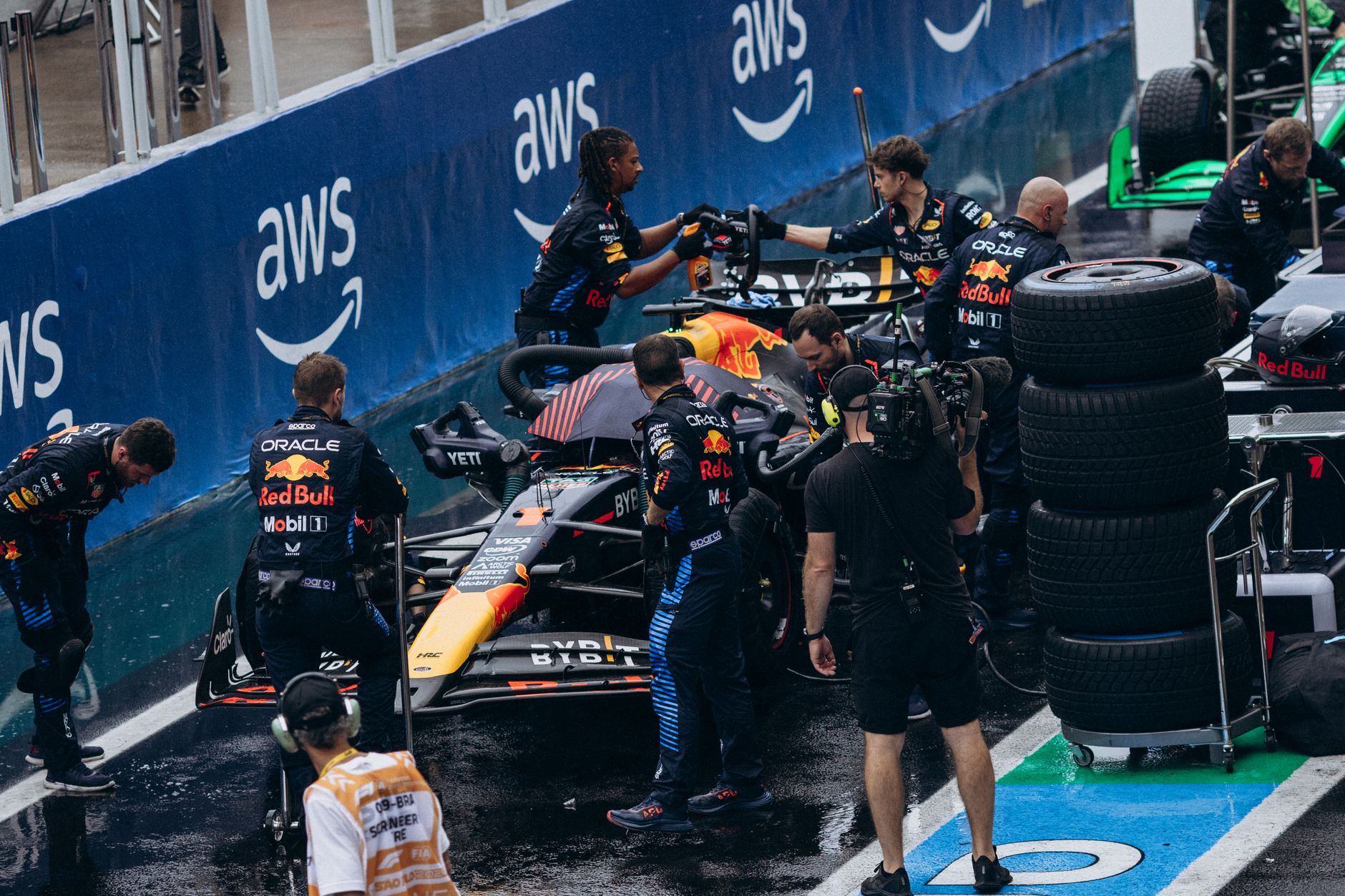
  • F1 sportswashing accusations raise serious concerns

    F1 sportswashing accusations raise serious concerns

    F1 sportswashing accusations have surfaced as the African Grand Prix in Rwanda faces scrutiny. Critics argue that the event serves to improve Rwanda’s image amidst ongoing human rights concerns.

    Understanding the F1 Sportswashing Debate

    The ongoing debate surrounding F1 sportswashing accusations has gained significant traction in recent months, particularly with the introduction of the African Grand Prix. Critics claim that the sport is being used as a platform to promote nations with questionable human rights records, effectively allowing them to distract from their domestic issues.

    One of the most prominent examples has been the partnership between Formula 1 and Rwanda, which some commentators have dubbed a ‘sportswashing prize.’ This relationship has raised eyebrows, as Rwanda has faced criticism for its authoritarian governance and human rights abuses.

    Advocates for reform argue that:

    • Visibility: Hosting an F1 race provides international visibility, allowing countries to project a positive image.
    • Investment: The influx of investment into local economies can overshadow ongoing social issues.
    • Accountability: There is a growing call for sports organizations to consider the ethical implications of their partnerships.

    Supporters of the sport counter that F1’s presence can lead to positive change and economic development. However, the tension between promoting sports and addressing human rights violations continues to spark debate. As F1 grapples with these sportswashing accusations, the conversation around ethics in sporting events is more critical than ever.

    Rwanda’s Role in the African Grand Prix

    The recent establishment of the African Grand Prix in Rwanda has sparked significant debate surrounding F1 sportswashing accusations. Critics argue that the decision to host a major international sporting event in Rwanda is an attempt to divert attention from the nation’s controversial human rights record.

    Rwanda’s government has invested heavily in promoting itself as a progressive nation on the rise, using high-profile events to bolster its image. The F1 race is seen as a platform for the country to showcase its development and attract foreign investment. In the eyes of many, this raises questions about the ethics of allowing such a prestigious event to be associated with a regime accused of suppressing dissent.

    Several key points have emerged in the discussions surrounding Rwanda’s role in the African Grand Prix:

    • Investment in Infrastructure: The Rwandan government has poured resources into improving infrastructure to host the event.
    • International Scrutiny: Human rights organizations have condemned the move, labeling it a form of sportswashing.
    • Economic Opportunities: Proponents argue that the Grand Prix could generate jobs and stimulate tourism.

    As the race approaches, the intersection of sports and politics continues to be a focal point of concern, with F1 sportswashing accusations amplifying the stakes involved.

    Implications for Formula 1’s Reputation

    The recent accusations of F1 sportswashing have ignited a debate regarding the implications for the sport’s reputation. As the world becomes increasingly conscious of social and political issues, Formula 1’s decisions are under scrutiny, particularly regarding its partnerships and race locations.

    Critics argue that by hosting events in countries with questionable human rights records, Formula 1 risks being perceived as complicit in those nations’ attempts to improve their image through high-profile sporting events. This notion of “sportswashing” suggests that these countries are using the platform of F1 to divert attention from their internal issues.

    One significant consequence of these accusations is the potential erosion of trust among fans and stakeholders. Many supporters of the sport value integrity and ethical considerations, and they may feel disillusioned if they believe Formula 1 prioritizes financial gain over moral responsibility. Additionally, sponsors and partners may reassess their associations with the sport if they perceive that their brand could be negatively impacted by such accusations.

    • Loss of fan loyalty and engagement.
    • Increased scrutiny from human rights organizations.
    • Possible backlash from sponsors and commercial partners.

    As Formula 1 navigates these challenges, the ongoing debate surrounding F1 sportswashing will likely shape its future direction and public perception.

    Critics Speak Out on Sportswashing

    As the controversy surrounding the F1 sportswashing accusations continues to heat up, critics from various sectors are voicing their concerns about the implications of hosting the African Grand Prix in Rwanda. Many believe that the event is more about enhancing Rwanda’s global image than celebrating the sport itself.

    • Human Rights Advocacy: Human rights organizations have pointed out that Rwanda’s government has been accused of suppressing dissent and curtailing freedoms. They argue that using high-profile sporting events to improve a nation’s image distracts from these serious issues.
    • Financial Motivations: Some experts suggest that Formula 1’s interest in Rwanda is driven by financial incentives. They argue that the sport’s expansion into Africa could be more about profits than a genuine commitment to the continent’s development.
    • Environmental Concerns: Environmentalists have also raised flags regarding the ecological impact of hosting such a large event in Rwanda. They contend that the carbon footprint associated with Formula 1 racing contradicts global efforts for sustainability.
    • Public Perception: Critics are concerned that the F1 sportswashing accusations could tarnish the reputation of the sport itself. As fans and sponsors become increasingly aware of these issues, the long-term effects on Formula 1’s credibility may be significant.

    In light of these perspectives, the situation remains contentious, as stakeholders continue to navigate the complexities of sportswashing within the realm of international motorsport.

    The recent F1 sportswashing accusations have sparked a heated debate among fans and critics alike. Many are questioning the ethical implications of hosting races in countries with controversial human rights records, further fueling the F1 sportswashing accusations.

    Photo by Jonathan Borba on Pexels

    References

    Crash.net

    Related stories

    Roma vs Real Madrid: The Worst 3-4 Match Breakdown · WTA Wuhan Predictions: Clear Insights for Day 4 Matchups · Kendoo Belgian market: Best Proven Partnership with Starcasino