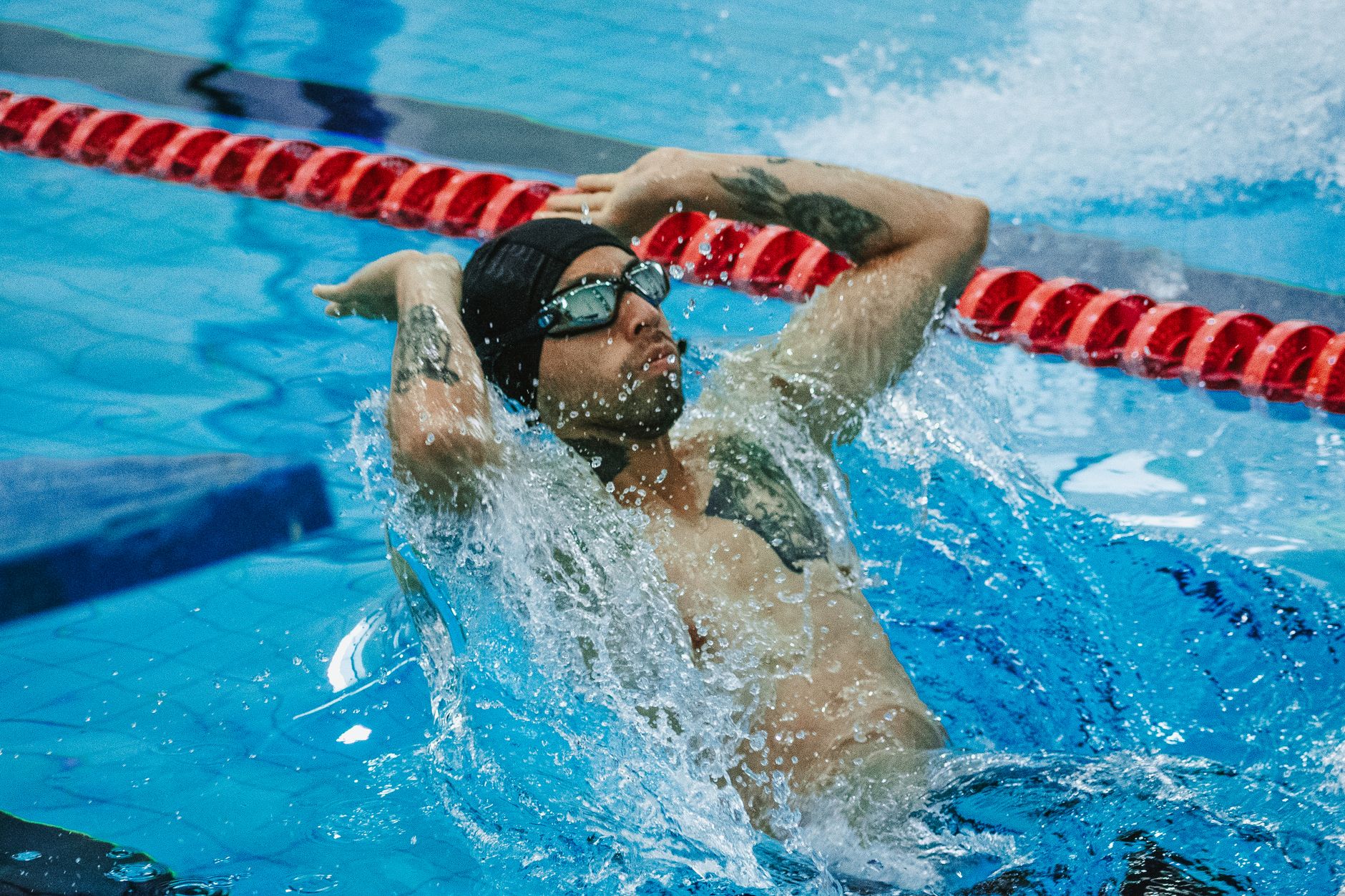
The Asian Games swimming record was shattered by 13-year-old Yu Zidi, who clocked an impressive 2:05.08 in the 200m butterfly event.
Yu Zidi’s Historic Win
In a stunning display of talent and determination, 13-year-old swimmer Yu Zidi has made history at the Asian Games by breaking the previous record in the 200m butterfly event. Clocking in at an impressive 2:05.08, Yu not only secured the gold medal but also set a new standard for future competitors.
This remarkable achievement has sent shockwaves through the swimming community, showcasing the potential of young athletes in Asia. Yu’s victory is particularly significant as it highlights the growing prowess of Chinese swimmers on the international stage. Her performance is expected to inspire a new generation of swimmers, encouraging them to push their limits and strive for excellence.
Yu’s record-breaking swim is a testament to her rigorous training and dedication. Coaches and analysts have noted that her technique and speed were pivotal in achieving this milestone. As the Asian Games swimming record continues to evolve, Yu Zidi’s win marks a turning point, demonstrating that age is just a number when it comes to achieving greatness in sports.
- Age: 13 years old
- Event: 200m butterfly
- Time: 2:05.08
Highlights from the 200m Butterfly
The 200m Butterfly event at the Asian Games witnessed a remarkable display of talent and determination, particularly with Yu Zidi’s record-breaking performance. Her time of 2:05.08 not only secured her the gold medal but also shattered the previous Asian Games swimming record, setting a new benchmark for future competitors.
In addition to Yu’s historic win, several other swimmers showcased their skills and pushed the boundaries of the sport. Highlights from the race included:
- Impressive Starts: Many athletes demonstrated explosive starts off the blocks, crucial for gaining an early lead.
- Technique Mastery: Swimmers displayed exceptional butterfly techniques, with perfect timing in their strokes and turns.
- Close Finishes: The competition was fierce, with several athletes finishing mere seconds apart, showcasing the depth of talent in the field.
As the dust settles on this exhilarating event, the impact of Yu Zidi’s achievement resonates throughout the swimming community. Her record not only inspires young swimmers across Asia but also raises the bar for upcoming competitions, making the Asian Games swimming record a topic of discussion for years to come.
How Yu Zidi Achieved This Record
Yu Zidi’s journey to breaking the Asian Games swimming record in the 200m butterfly began long before her historic win. At just 13 years old, Yu has been training rigorously, dedicating countless hours to perfecting her technique and building her endurance. Her commitment to the sport has made her one of the youngest rising stars in competitive swimming.
Key factors contributing to Yu’s success include:
- Intensive Training Regimen: Yu’s coaches have implemented a structured training program that focuses on both physical and mental preparation, allowing her to perform her best under pressure.
- Strong Support System: With encouragement from her family and mentors, Yu has maintained a positive mindset, crucial for achieving her goals.
- Strategic Racing Technique: Her ability to pace herself throughout the race and make swift adjustments has proven invaluable, especially in the final lap when every second counts.
By combining these elements, Yu Zidi not only triumphed in the 200m butterfly but also set a new Asian Games swimming record, inspiring young athletes across the continent.
Reactions to the Asian Games Performance
Reactions to the Asian Games performance have been overwhelmingly positive, with fans and experts alike praising the remarkable achievement of 13-year-old Yu Zidi. Her record-breaking time of 2:05.08 in the 200m butterfly has not only secured her a gold medal but has also set a new Asian Games swimming record.
Many in the swimming community have expressed their admiration for Yu’s talent and dedication. “It’s incredible to see such a young athlete perform at this level,” said former Olympic champion Li Na. “Yu Zidi has the potential to become a leading figure in the sport for years to come.”
Fans took to social media to celebrate her victory, with hashtags like #YuZidi and #AsianGamesRecord trending in China. Supporters shared videos of her race, highlighting her impressive technique and speed. “I’m so proud of her!” one fan tweeted. “This is just the beginning for Yu Zidi.”
As athletes and coaches reflect on the impact of her performance, many believe that Yu’s success will inspire a new generation of swimmers in China and across Asia.
Future of Young Swimmers
The recent achievements of young swimmers at the Asian Games, particularly Yu Zidi’s landmark performance, have sparked immense interest in the future of swimming. As young athletes continue to shatter records, the sport’s landscape is evolving rapidly.
Young swimmers like Yu Zidi serve as an inspiration for their peers. Their success at prestigious events not only showcases their talent but also highlights the rigorous training and dedication that lie behind such accomplishments. The impact of breaking an Asian Games swimming record can be profound, influencing younger generations to pursue their swimming ambitions with renewed vigor.
Here are some potential future implications for young swimmers:
- Increased Participation: More children may take up swimming, aiming to emulate the successes of young stars.
- Enhanced Training Programs: Swim schools may adopt updated training techniques inspired by elite performances.
- Greater Sponsorship Opportunities: Emerging talents might attract sponsorships and support as they gain recognition.
- Focus on Mental Toughness: The pressure of competing at high levels will lead to an emphasis on psychological resilience.
Overall, the impact of Yu Zidi’s record-breaking performances extends far beyond the pool, shaping the future of swimming in Asia.
Comparing Records: Past vs Present
The landscape of competitive swimming has undergone significant transformations over the years. When comparing records from past Asian Games to the present, the advancements in training techniques, nutrition, and technology have played a crucial role in shaping athletes’ performances.
Historically, swimming records were often set by athletes who relied heavily on natural talent and basic training methods. However, the introduction of modern training regimens and scientific approaches has led to unprecedented improvements in times. For instance, the recent Asian Games swimming record set by 13-year-old Yu Zidi in the 200m butterfly showcases not only her exceptional skill but also the evolution of coaching strategies that emphasize technique and endurance.
Moreover, the emphasis on youth development programs has contributed to the emergence of younger competitors. In the past, athletes often peaked in their late teens or early twenties, but today’s swimmers, like Yu, are breaking records at much younger ages. This trend raises important questions about the future of the sport and the potential for even more remarkable achievements. As the competition intensifies, the Asian Games swimming record may continue to be redefined, reflecting the relentless pursuit of excellence in the pool.
The Significance of Youth in Sports
The impact of youth in sports cannot be overstated, especially in events like the Asian Games swimming record. Young athletes, such as 13-year-old Yu Zidi, often bring a fresh perspective and unyielding determination that can lead to remarkable achievements. Their energy and adaptability allow them to push boundaries, setting new standards for future generations.
Moreover, the involvement of youth in competitive sports fosters a sense of discipline and dedication. Young swimmers like Yu Zidi not only showcase their talent but also inspire others to pursue their dreams. This ripple effect can significantly elevate the overall level of competition, as aspiring athletes strive to emulate the success of their role models.
The significance of youth is further highlighted by the ability to break longstanding records, as seen with Yu’s impressive time of 2:05.08 in the 200m butterfly. Such accomplishments serve as a testament to the potential that young athletes hold, reshaping the landscape of competitive swimming.
In conclusion, the impact of youth in sports is profound. As they continue to break barriers and achieve new milestones, they contribute to a rich legacy that will influence the future of swimming and inspire countless others to follow in their footsteps.
The Asian Games swimming record has not only showcased the extraordinary talent of athletes but has also inspired a new generation to take up the sport. As countries invest more in training programs, the influence of the Asian Games swimming record continues to grow across the region.
Photo by Miguel Guerra on Pexels