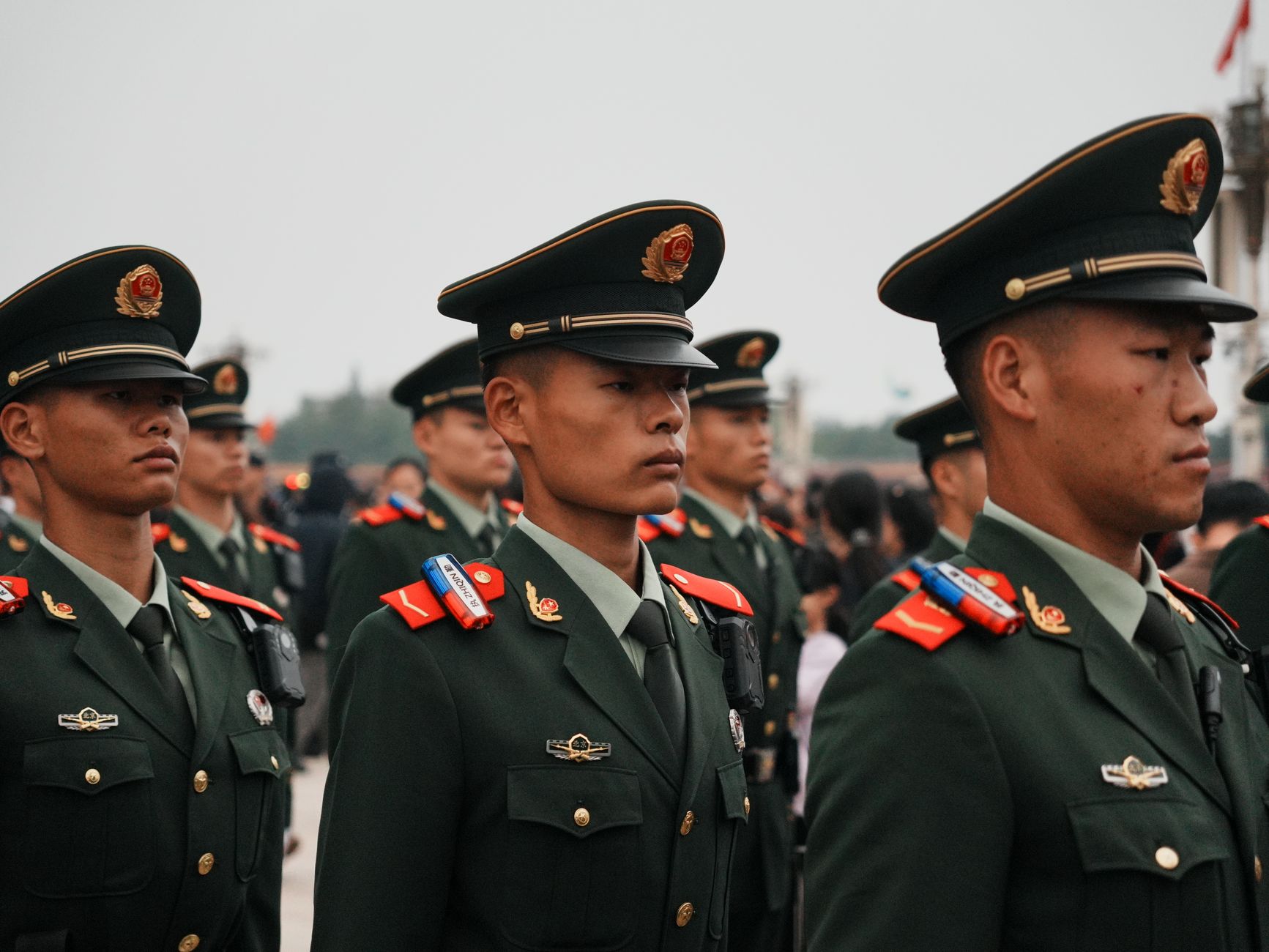
China military leaders corruption is making headlines as two top officials are expelled from the ruling Communist Party. This significant move highlights ongoing issues within the military hierarchy and the government’s stance on corruption.
Understanding the Corruption Allegations
Recent developments in China have brought to light serious allegations of corruption among high-ranking military leaders. The expulsion of two top military officials from the ruling Communist Party marks a significant move in the government’s ongoing campaign against corruption. This incident underscores a concerning trend within the military hierarchy, where accusations of misconduct and financial impropriety have become increasingly common.
Authorities have not only targeted these leaders but have also initiated broader investigations into the military’s inner workings. The focus on China military leaders corruption reflects the government’s commitment to maintaining stability and integrity within its armed forces. Observers note that these actions may also serve to consolidate power within the Communist Party by removing potential rivals.
As the situation unfolds, many are left questioning the extent of corruption within the military and the implications for China’s national security. The government’s response could redefine the balance of power among military ranks and within the ruling party itself.
Impact on China’s Military Structure
The recent expulsion of two top military leaders from the ruling Communist Party has sent shockwaves through China’s military structure. This unprecedented move highlights the ongoing issue of corruption within the ranks and raises questions about the integrity of military leadership.
Experts are concerned that the fallout from this scandal could have significant implications for China’s defense strategies and operational effectiveness. The impact may include:
- Disruption of Command: The removal of high-ranking officials can create a power vacuum, leading to uncertainty in decision-making processes.
- Loss of Trust: Ongoing corruption allegations may diminish morale among troops, affecting their loyalty and commitment.
- Policy Reevaluation: The Communist Party may need to reassess its oversight of military leaders to prevent future corruption issues.
This situation underscores the urgent need for reform within the military establishment to restore confidence and ensure effective governance.
Reactions from the Communist Party
The expulsion of two top military leaders has sent shockwaves through the ruling Communist Party in China, highlighting the ongoing battle against corruption within the military ranks. Party officials have expressed a mix of disbelief and concern over the severity of the corruption allegations, which some describe as the worst case of misconduct seen in recent years.
In response to the scandal, a Communist Party spokesperson stated, “This is a clear indication that the Party is committed to rooting out corruption at all levels, especially among military leaders.” The implications of these actions are significant, as they not only affect the individuals involved but also the overall integrity of the military leadership.
Many within the Party are calling for stricter oversight and accountability, emphasizing the need for transparency in military operations. As the nation grapples with these developments, the focus remains on ensuring that such corruption does not undermine the strength of China’s military leadership.
Historical Context of Corruption in China
Corruption has long been a persistent issue within China’s political and military landscape, often undermining the integrity and effectiveness of its leadership. The recent expulsion of high-ranking military leaders serves as a stark reminder of the systemic problems that plague the system. Historically, corrupt practices in the military have eroded trust and cohesion, leading to widespread calls for reform.
Over the decades, numerous scandals have surfaced, highlighting the deep-rooted nature of corruption within the ranks. These incidents not only affect the operational capabilities of the military but also threaten national security. In recent years, President Xi Jinping has intensified efforts to combat corruption, launching a sweeping anti-corruption campaign targeting various sectors, including military leaders.
Despite these efforts, the allegations against current military leaders underscore the challenges that remain. The ongoing struggle against corruption within the military reflects broader issues facing China’s governance and raises questions about the future effectiveness of its military leadership.
Public Opinion on Military Leadership
Public sentiment regarding the recent expulsion of military leaders accused of corruption has been a topic of intense discussion throughout China. Many citizens express a mix of anger and support for the government’s actions, highlighting the need for accountability within the military ranks.
Some key points of public opinion include:
- Distrust in Leadership: A significant portion of the population feels that rampant corruption among military leaders undermines the integrity of the armed forces.
- Support for Anti-Corruption Measures: Many citizens applaud the government’s efforts to root out corruption, believing that it will strengthen national security.
- Concerns about Stability: While some support the actions taken against military leaders, others worry that such purges may lead to instability within the military hierarchy.
As discussions continue, the focus remains on how the expulsion of these leaders will reshape perceptions of China’s military leaders and their commitment to transparency in governance.
Future of Governance in China
The recent expulsion of two top military leaders has raised significant questions about the future of governance in China. As corruption allegations against military leaders gain traction, the Communist Party faces increasing pressure to demonstrate accountability and integrity within its ranks. The fallout from these expulsions indicates a potential shift in how the party addresses corruption, particularly within its military structure.
Analysts suggest that this might lead to a more stringent approach towards internal oversight. The party’s efforts to combat corruption could reshape the dynamics of power and influence in China, especially as the public becomes more aware and critical of military leadership.
Furthermore, the expulsion may signal a broader strategy to consolidate authority and eliminate factions within the military that pose challenges to the central leadership. As the party navigates these turbulent waters, the implications for governance and transparency in China cannot be underestimated.
Ultimately, the handling of corruption allegations will be crucial for maintaining public trust and ensuring stability within the Communist Party.
Comparative Analysis with Other Countries
Corruption within military ranks is not unique to China, as various countries have faced similar challenges. In the United States, instances of corruption among military officials have led to significant reforms aimed at increasing transparency and accountability. In contrast, countries like Russia have experienced a more systemic issue, where military leaders often operate with impunity, complicating efforts to combat corruption.
Moreover, countries in Southeast Asia have also dealt with military-related corruption, affecting their governance and security frameworks. China’s military leaders corruption issues highlight the delicate balance between power and oversight. In many cases, the lack of robust institutional checks contributes to a culture of corruption.
The expulsion of top military leaders in China signals a potential shift towards addressing these challenges. However, observers remain cautious, noting that addressing corruption requires not only punitive measures but also a commitment to long-term institutional reform.
Potential Consequences for Military Operations
The recent expulsion of two top military leaders from the ruling Communist Party due to corruption allegations raises significant concerns regarding the potential consequences for military operations in China. This unprecedented move highlights the severity of the corruption within the military hierarchy and signals a shift in how the government addresses misconduct.
Military instability could arise from the removal of key figures, leading to a lack of cohesion and trust among ranks. The loyalty of lower-ranking officials may be questioned, and this could affect operational effectiveness. Moreover, the ongoing scrutiny of military leaders may deter capable individuals from seeking high-ranking positions, fearing repercussions for their associates.
Additionally, as the Communist Party seeks to restore integrity to its military leadership, the focus on corruption may divert resources and attention from critical operational tasks. Overall, the expulsion of military leaders not only reveals the extent of corruption but also poses risks that could undermine China’s military readiness and strategic objectives.
The recent actions taken against high-ranking officials highlight the severity of China military leaders corruption. This unprecedented expulsion signals a broader campaign to address the deep-rooted issues of China military leaders corruption within the ranks.
Photo by Da Na on Pexels