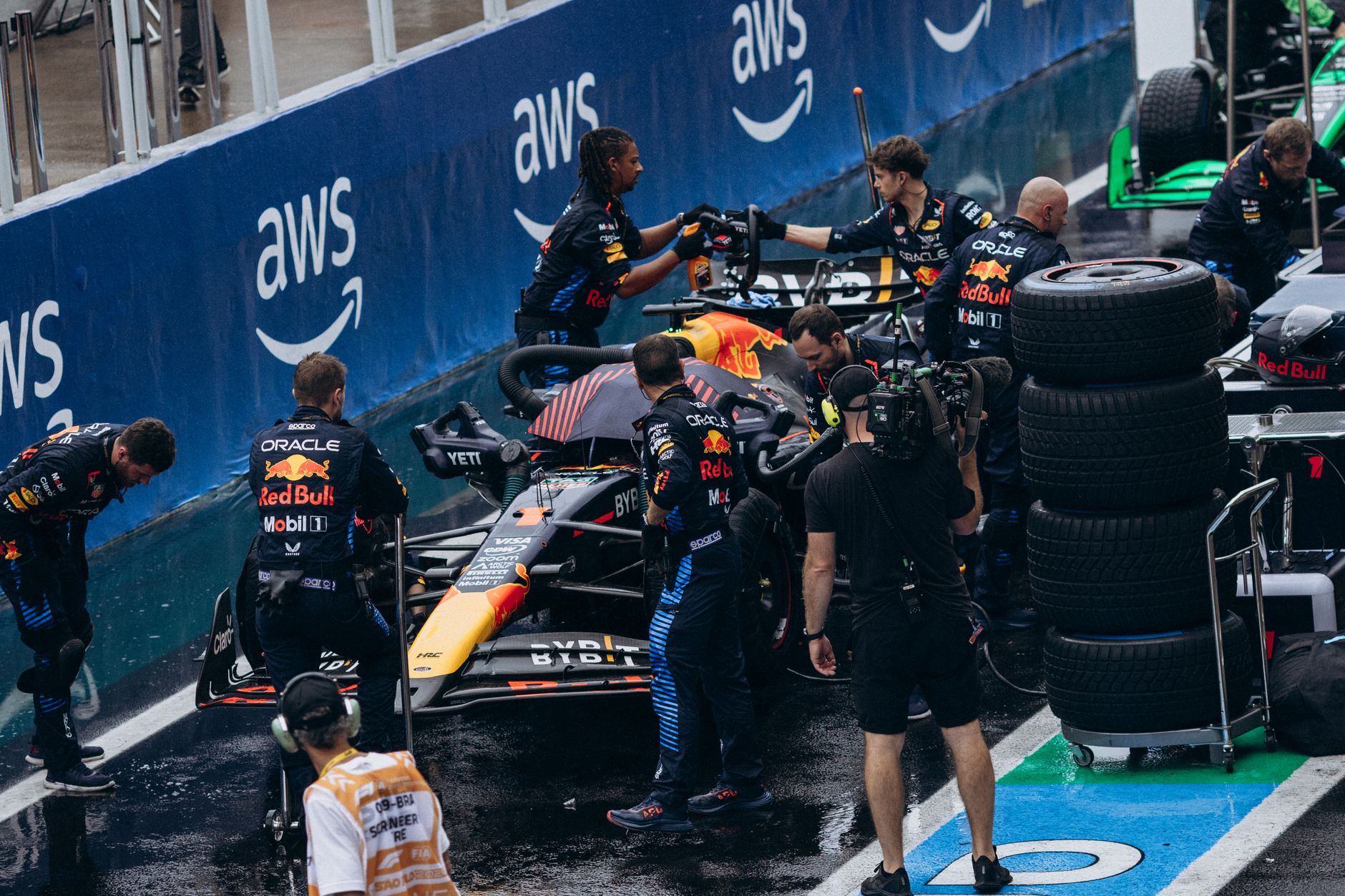
F1 sportswashing accusations have surfaced as the African Grand Prix in Rwanda faces scrutiny. Critics argue that the event serves to improve Rwanda’s image amidst ongoing human rights concerns.
Understanding the F1 Sportswashing Debate
The ongoing debate surrounding F1 sportswashing accusations has gained significant traction in recent months, particularly with the introduction of the African Grand Prix. Critics claim that the sport is being used as a platform to promote nations with questionable human rights records, effectively allowing them to distract from their domestic issues.
One of the most prominent examples has been the partnership between Formula 1 and Rwanda, which some commentators have dubbed a ‘sportswashing prize.’ This relationship has raised eyebrows, as Rwanda has faced criticism for its authoritarian governance and human rights abuses.
Advocates for reform argue that:
- Visibility: Hosting an F1 race provides international visibility, allowing countries to project a positive image.
- Investment: The influx of investment into local economies can overshadow ongoing social issues.
- Accountability: There is a growing call for sports organizations to consider the ethical implications of their partnerships.
Supporters of the sport counter that F1’s presence can lead to positive change and economic development. However, the tension between promoting sports and addressing human rights violations continues to spark debate. As F1 grapples with these sportswashing accusations, the conversation around ethics in sporting events is more critical than ever.
Rwanda’s Role in the African Grand Prix
The recent establishment of the African Grand Prix in Rwanda has sparked significant debate surrounding F1 sportswashing accusations. Critics argue that the decision to host a major international sporting event in Rwanda is an attempt to divert attention from the nation’s controversial human rights record.
Rwanda’s government has invested heavily in promoting itself as a progressive nation on the rise, using high-profile events to bolster its image. The F1 race is seen as a platform for the country to showcase its development and attract foreign investment. In the eyes of many, this raises questions about the ethics of allowing such a prestigious event to be associated with a regime accused of suppressing dissent.
Several key points have emerged in the discussions surrounding Rwanda’s role in the African Grand Prix:
- Investment in Infrastructure: The Rwandan government has poured resources into improving infrastructure to host the event.
- International Scrutiny: Human rights organizations have condemned the move, labeling it a form of sportswashing.
- Economic Opportunities: Proponents argue that the Grand Prix could generate jobs and stimulate tourism.
As the race approaches, the intersection of sports and politics continues to be a focal point of concern, with F1 sportswashing accusations amplifying the stakes involved.
Implications for Formula 1’s Reputation
The recent accusations of F1 sportswashing have ignited a debate regarding the implications for the sport’s reputation. As the world becomes increasingly conscious of social and political issues, Formula 1’s decisions are under scrutiny, particularly regarding its partnerships and race locations.
Critics argue that by hosting events in countries with questionable human rights records, Formula 1 risks being perceived as complicit in those nations’ attempts to improve their image through high-profile sporting events. This notion of “sportswashing” suggests that these countries are using the platform of F1 to divert attention from their internal issues.
One significant consequence of these accusations is the potential erosion of trust among fans and stakeholders. Many supporters of the sport value integrity and ethical considerations, and they may feel disillusioned if they believe Formula 1 prioritizes financial gain over moral responsibility. Additionally, sponsors and partners may reassess their associations with the sport if they perceive that their brand could be negatively impacted by such accusations.
- Loss of fan loyalty and engagement.
- Increased scrutiny from human rights organizations.
- Possible backlash from sponsors and commercial partners.
As Formula 1 navigates these challenges, the ongoing debate surrounding F1 sportswashing will likely shape its future direction and public perception.
Critics Speak Out on Sportswashing
As the controversy surrounding the F1 sportswashing accusations continues to heat up, critics from various sectors are voicing their concerns about the implications of hosting the African Grand Prix in Rwanda. Many believe that the event is more about enhancing Rwanda’s global image than celebrating the sport itself.
- Human Rights Advocacy: Human rights organizations have pointed out that Rwanda’s government has been accused of suppressing dissent and curtailing freedoms. They argue that using high-profile sporting events to improve a nation’s image distracts from these serious issues.
- Financial Motivations: Some experts suggest that Formula 1’s interest in Rwanda is driven by financial incentives. They argue that the sport’s expansion into Africa could be more about profits than a genuine commitment to the continent’s development.
- Environmental Concerns: Environmentalists have also raised flags regarding the ecological impact of hosting such a large event in Rwanda. They contend that the carbon footprint associated with Formula 1 racing contradicts global efforts for sustainability.
- Public Perception: Critics are concerned that the F1 sportswashing accusations could tarnish the reputation of the sport itself. As fans and sponsors become increasingly aware of these issues, the long-term effects on Formula 1’s credibility may be significant.
In light of these perspectives, the situation remains contentious, as stakeholders continue to navigate the complexities of sportswashing within the realm of international motorsport.
The recent F1 sportswashing accusations have sparked a heated debate among fans and critics alike. Many are questioning the ethical implications of hosting races in countries with controversial human rights records, further fueling the F1 sportswashing accusations.
Photo by Jonathan Borba on Pexels
References
Related stories
Roma vs Real Madrid: The Worst 3-4 Match Breakdown · WTA Wuhan Predictions: Clear Insights for Day 4 Matchups · Kendoo Belgian market: Best Proven Partnership with Starcasino